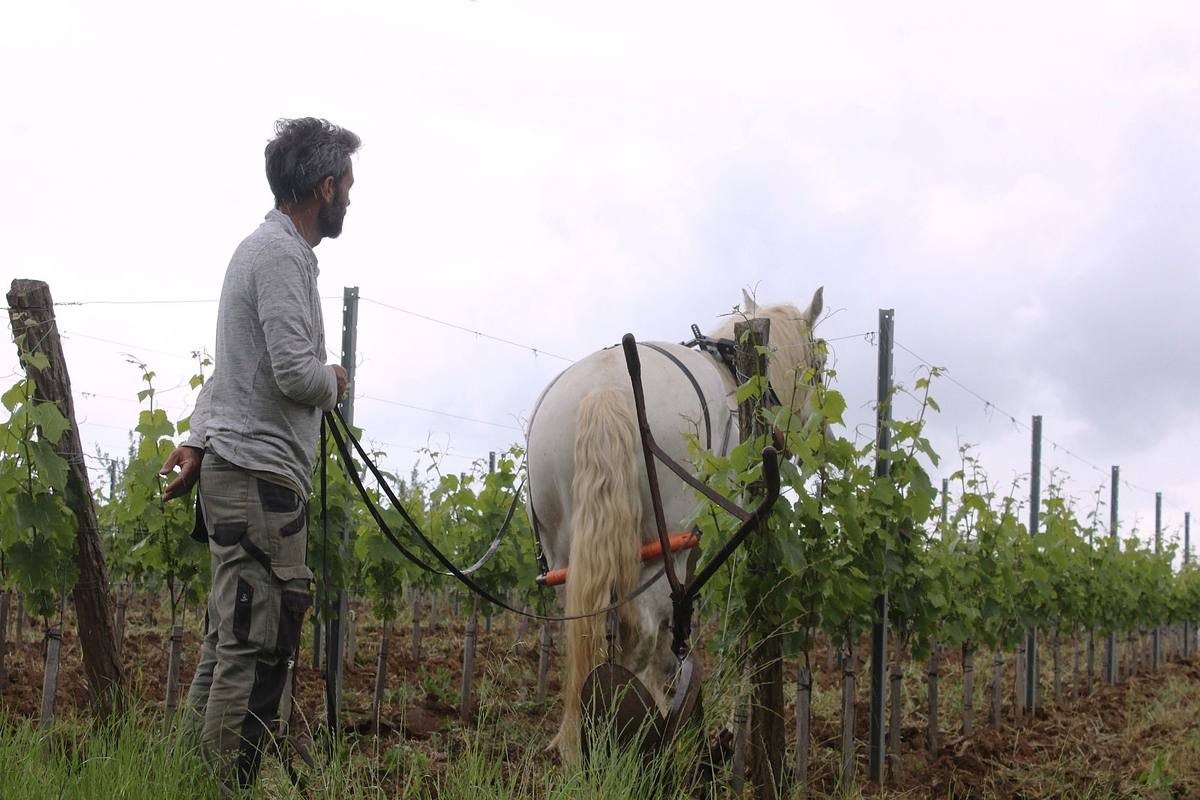
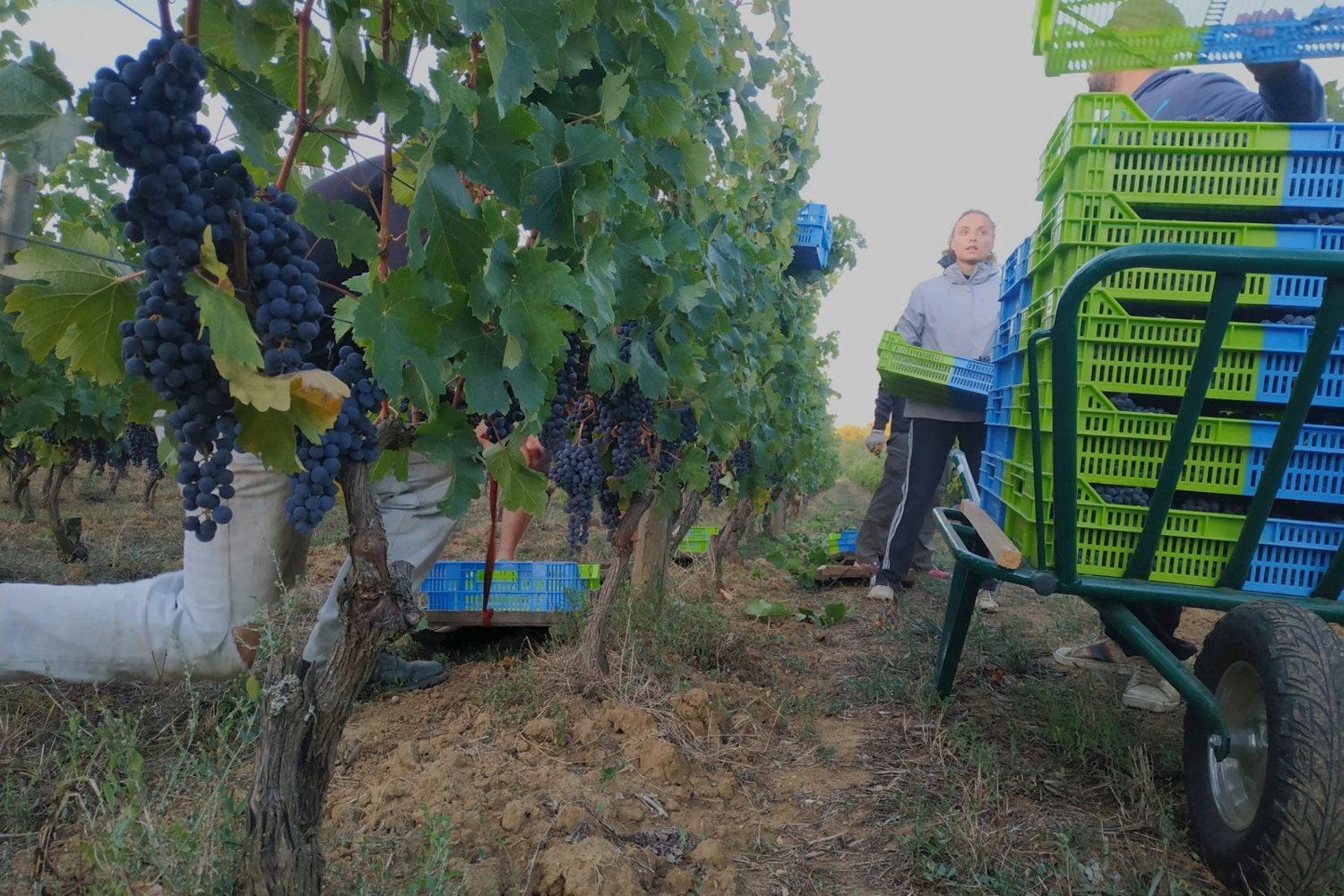
That is the question many of my relatives asked themselves when I came home from 11 years abroad in Madagascar to become a winegrower.
Truth be told, I was already thinking about it at twenty, when I started studying agronomy, before finally turning to aquaculture and the world of the sea. But life is short and you have to see all your projects through.
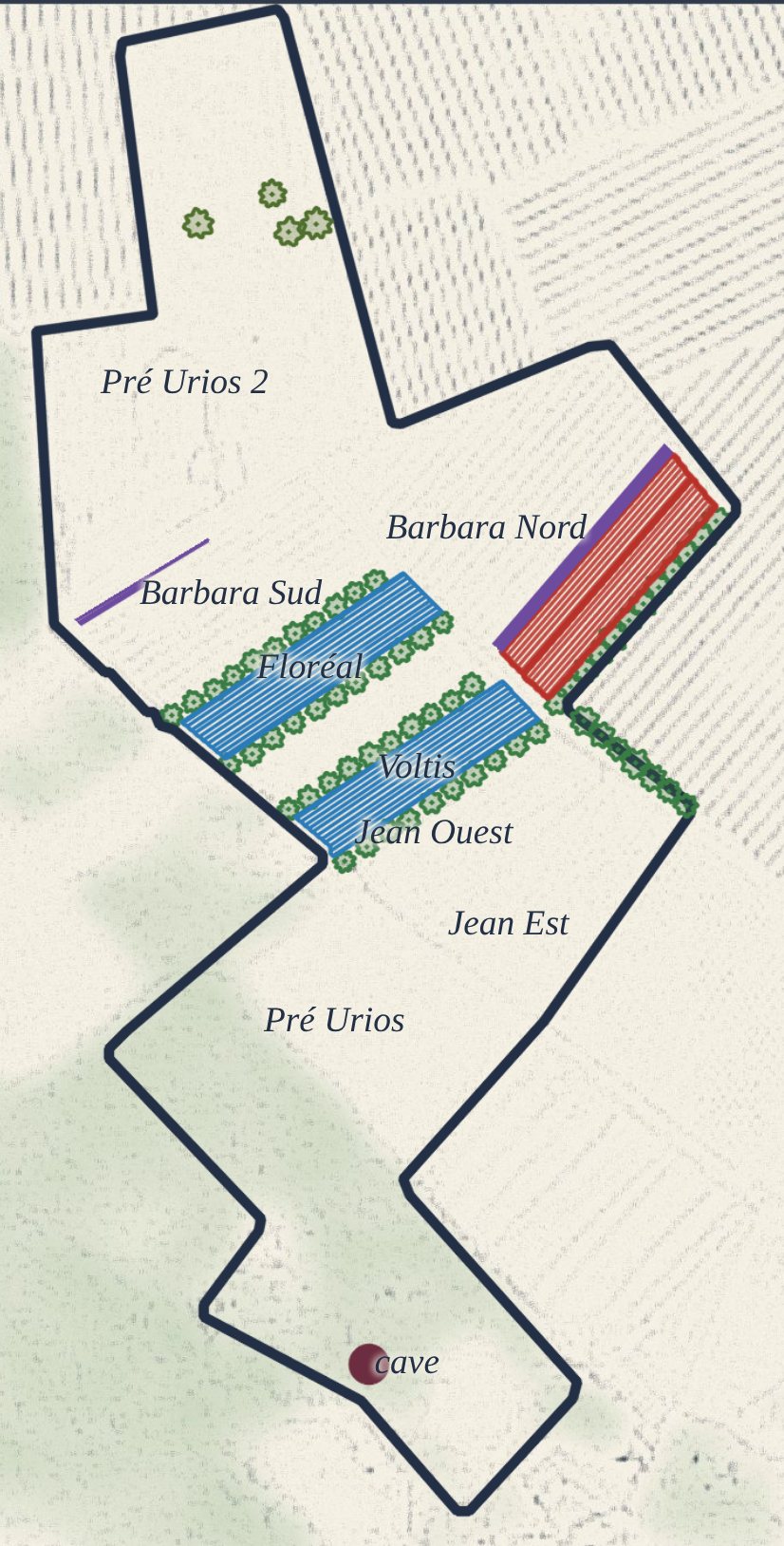
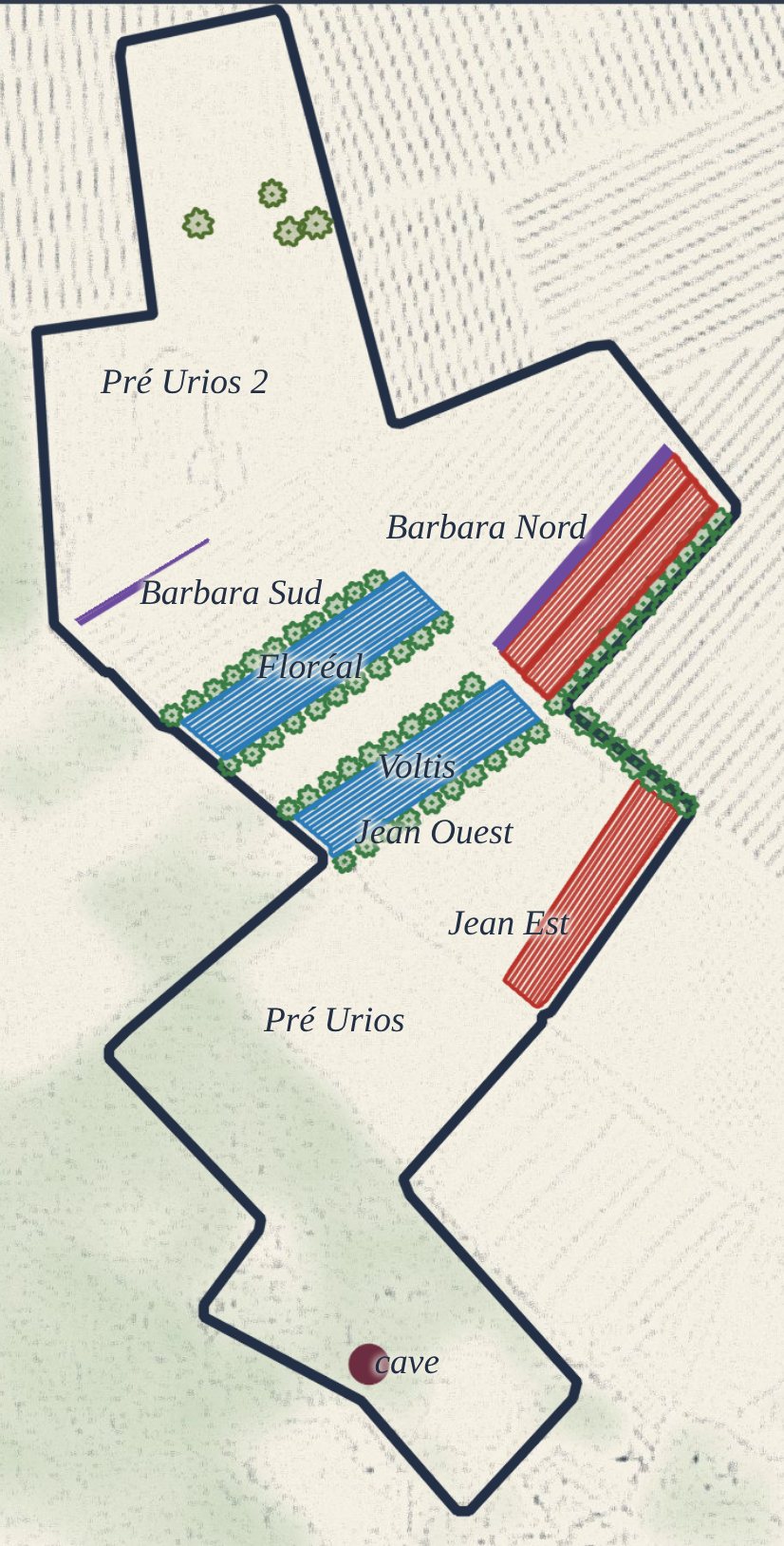
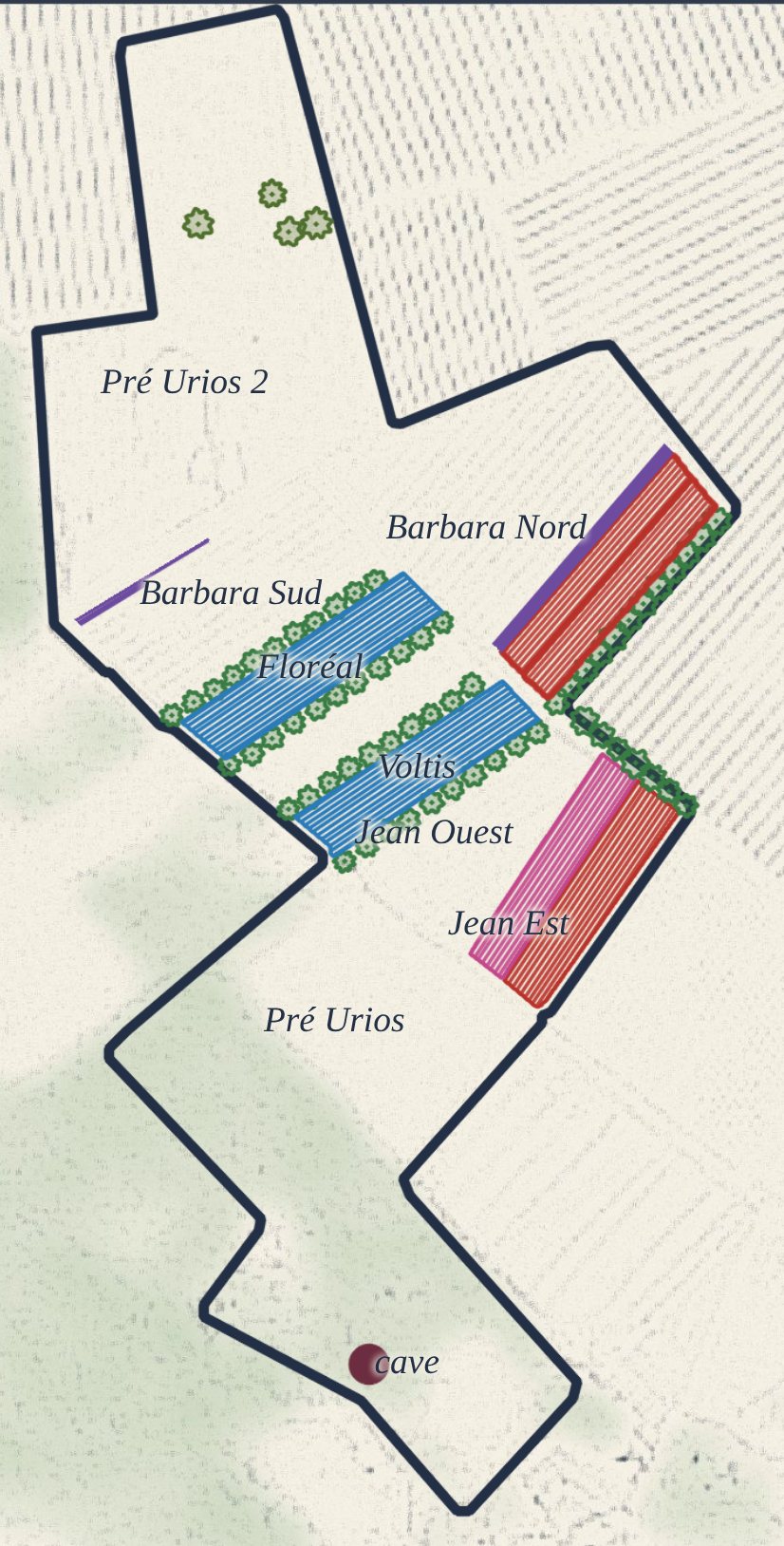
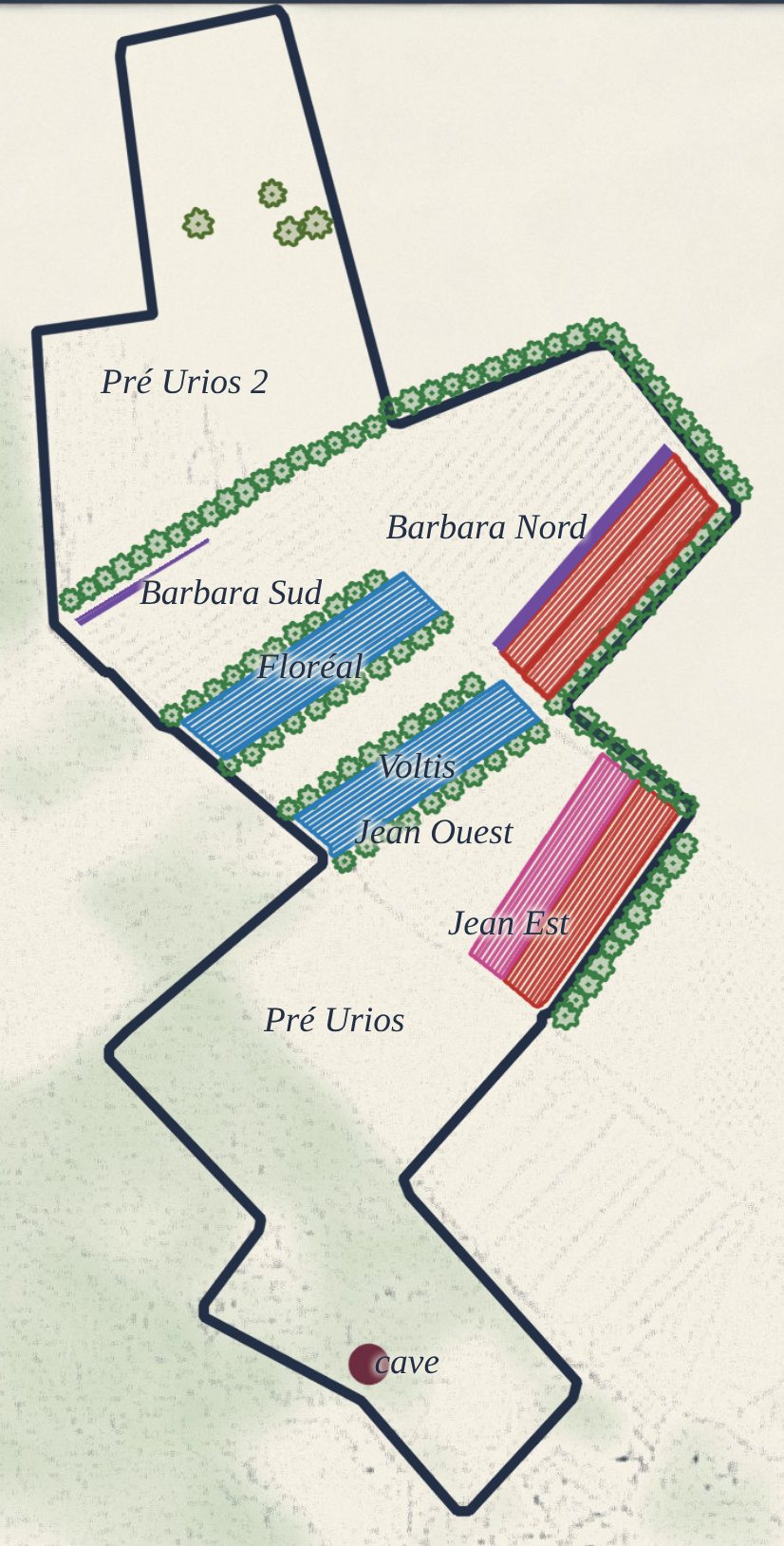
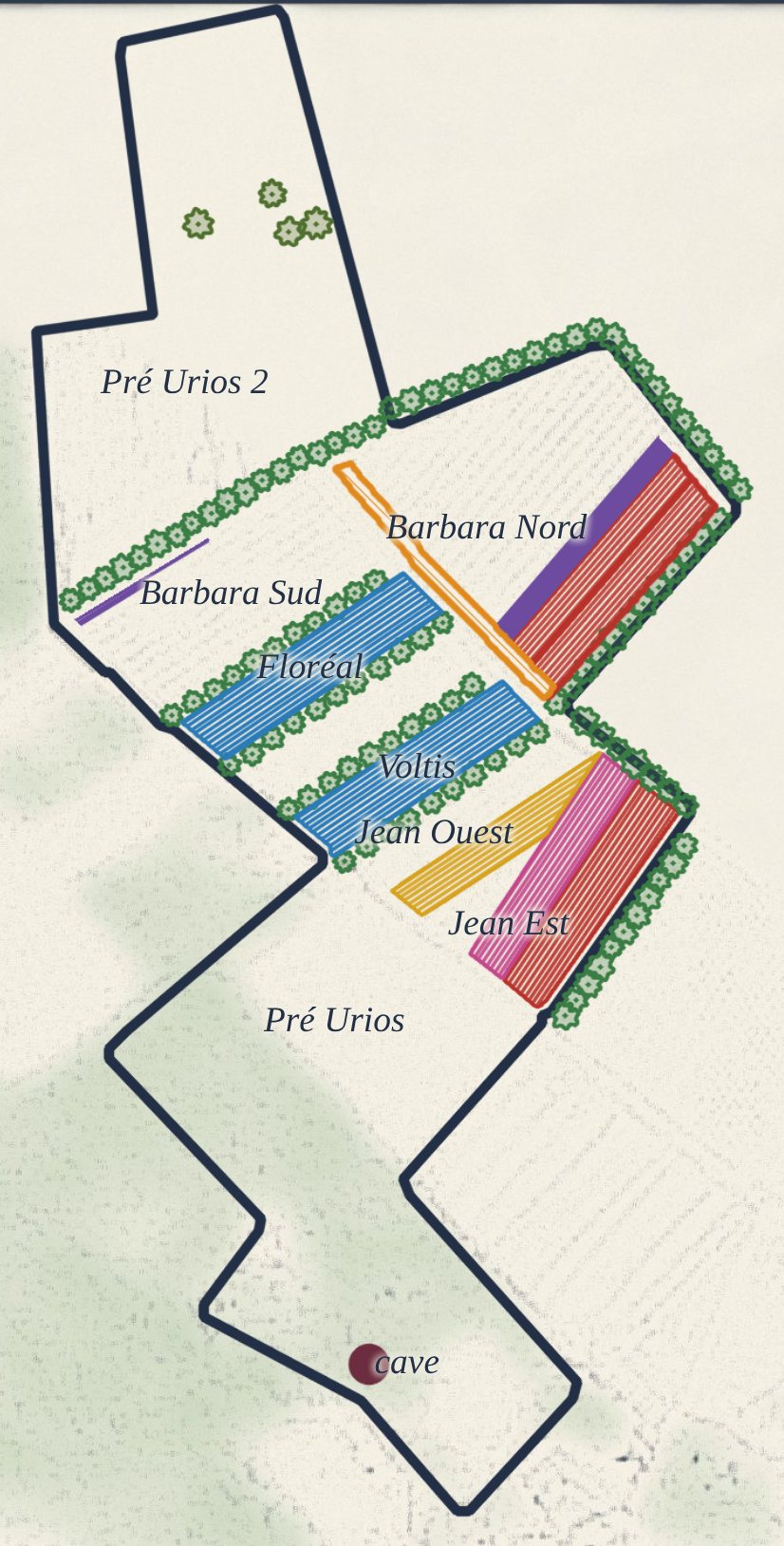
Back in 2014, I decided to take the plunge. I had a bit of luck on my side: vines in the family, and my father-in-law Jean Saric, who still has a tractor and a bit of rusty equipment. For a few years now, the family vines have been partly tenant-farmed (fermage) and partly sharecropped (métayage).
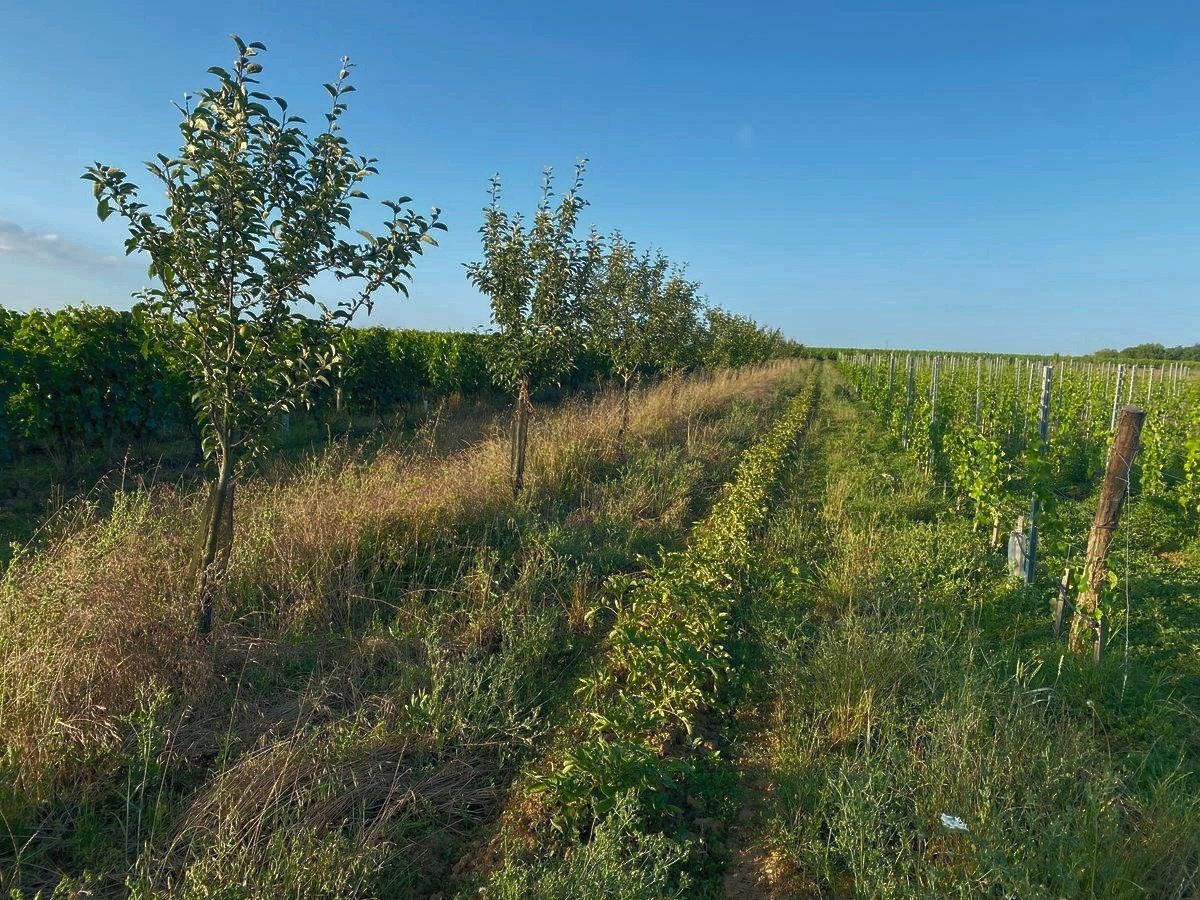
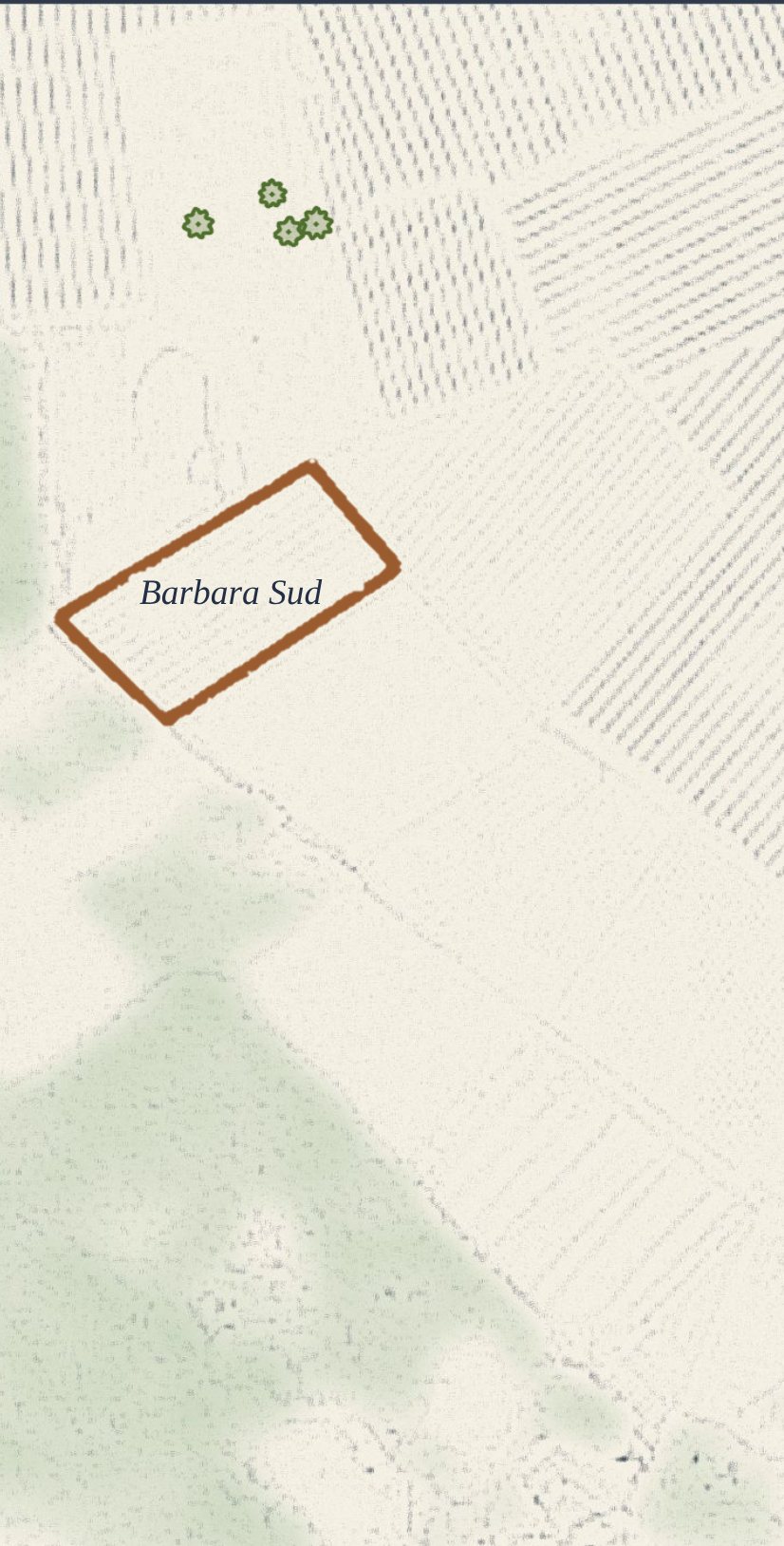
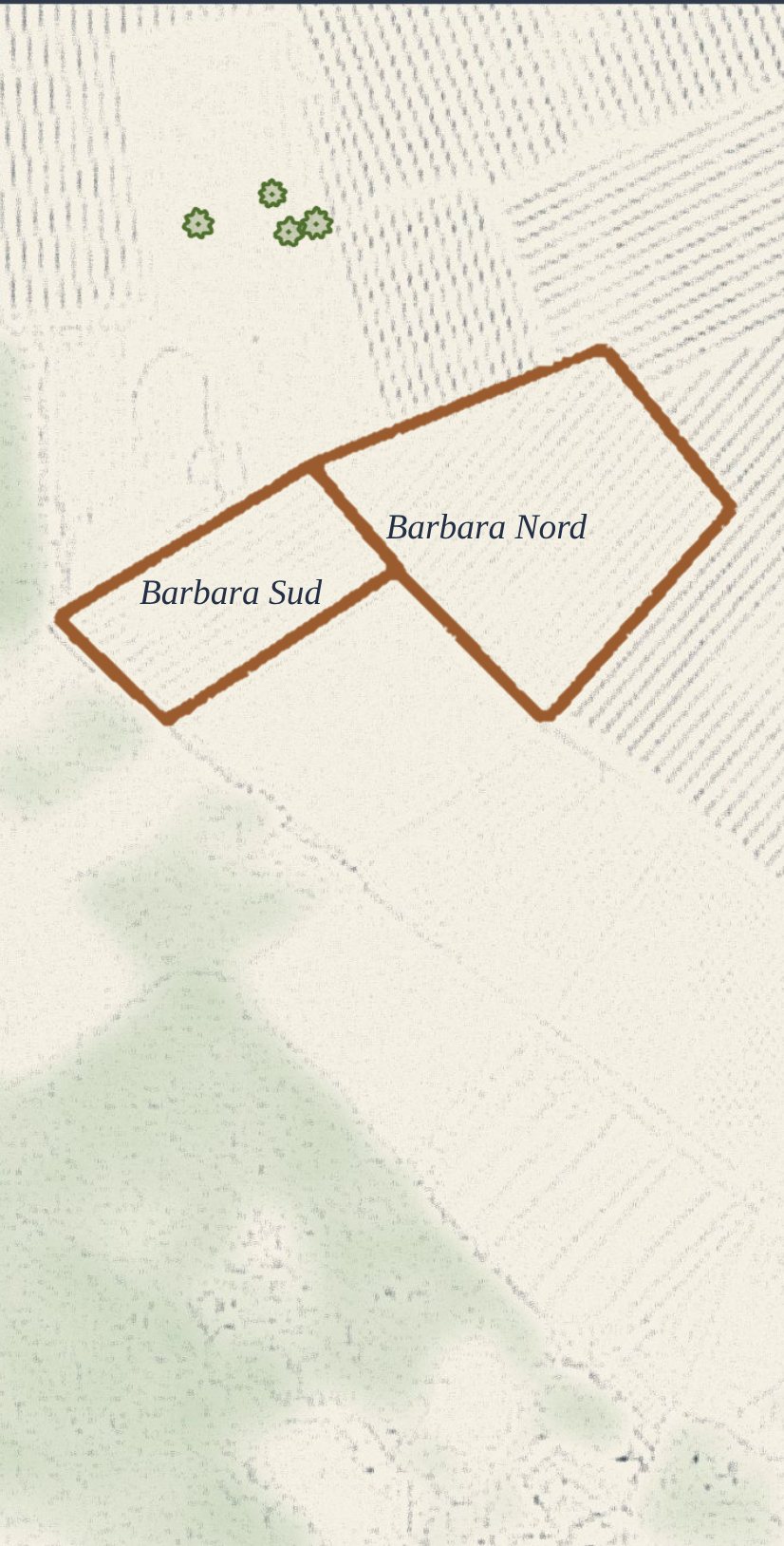
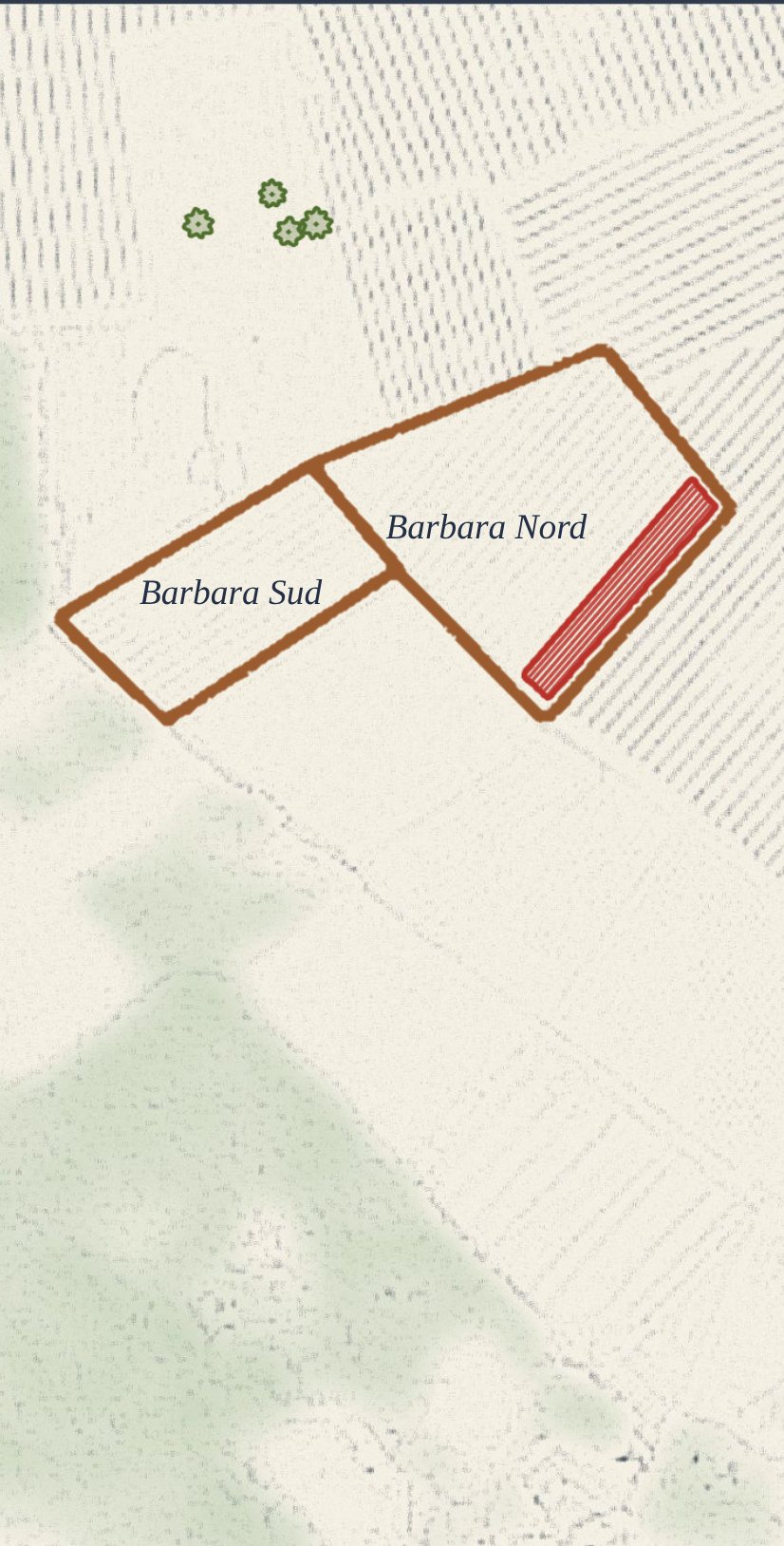
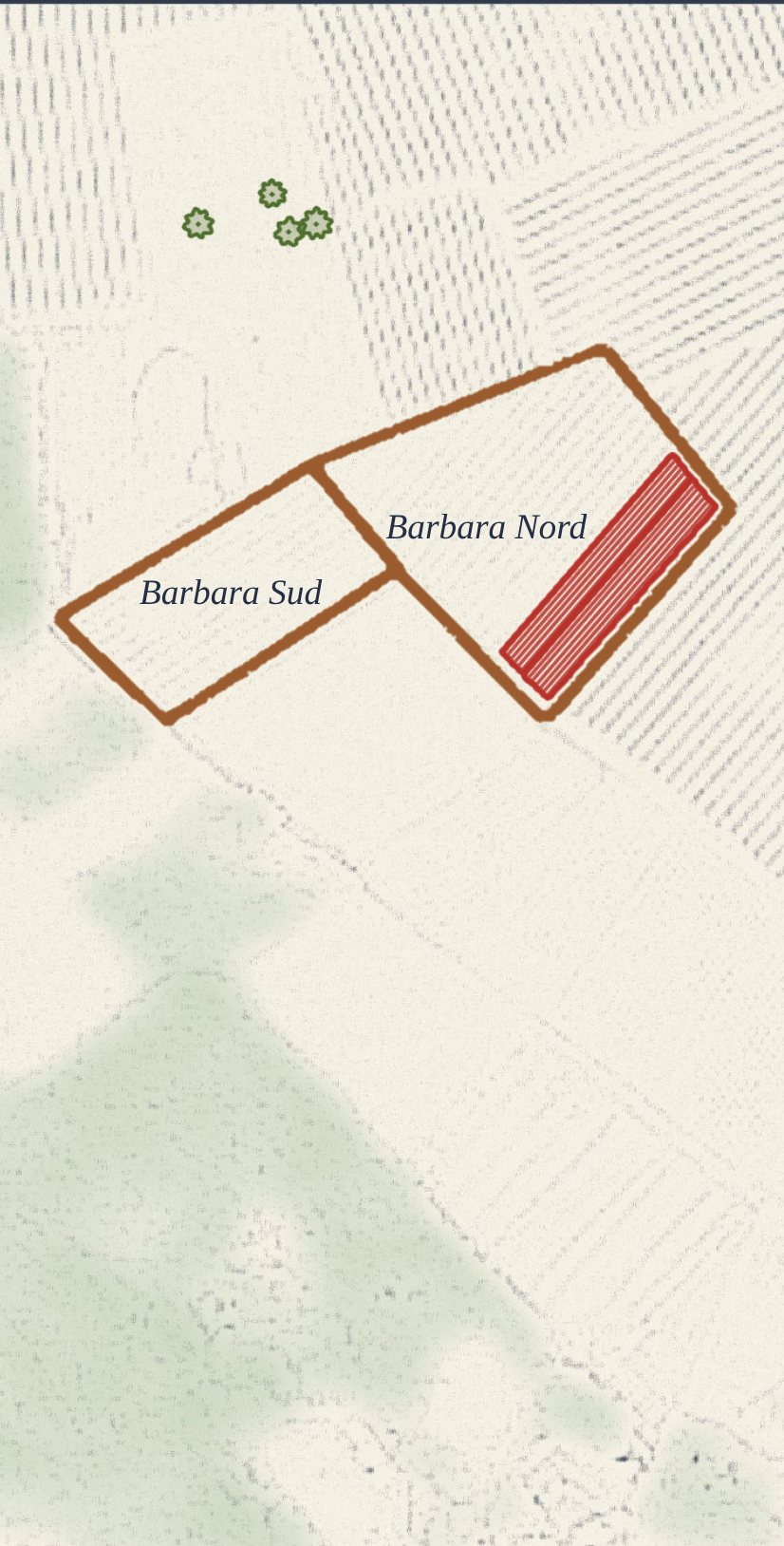
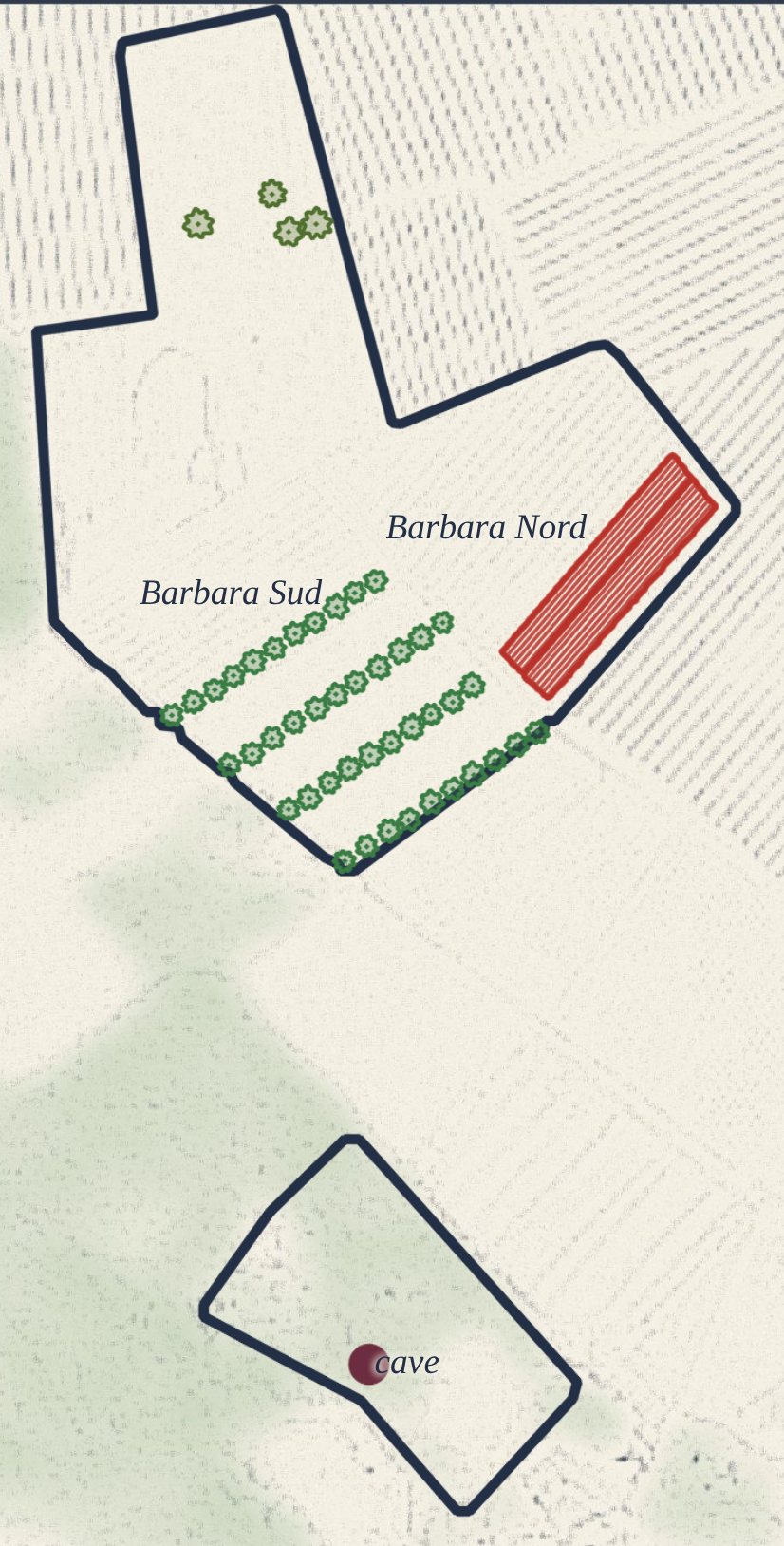
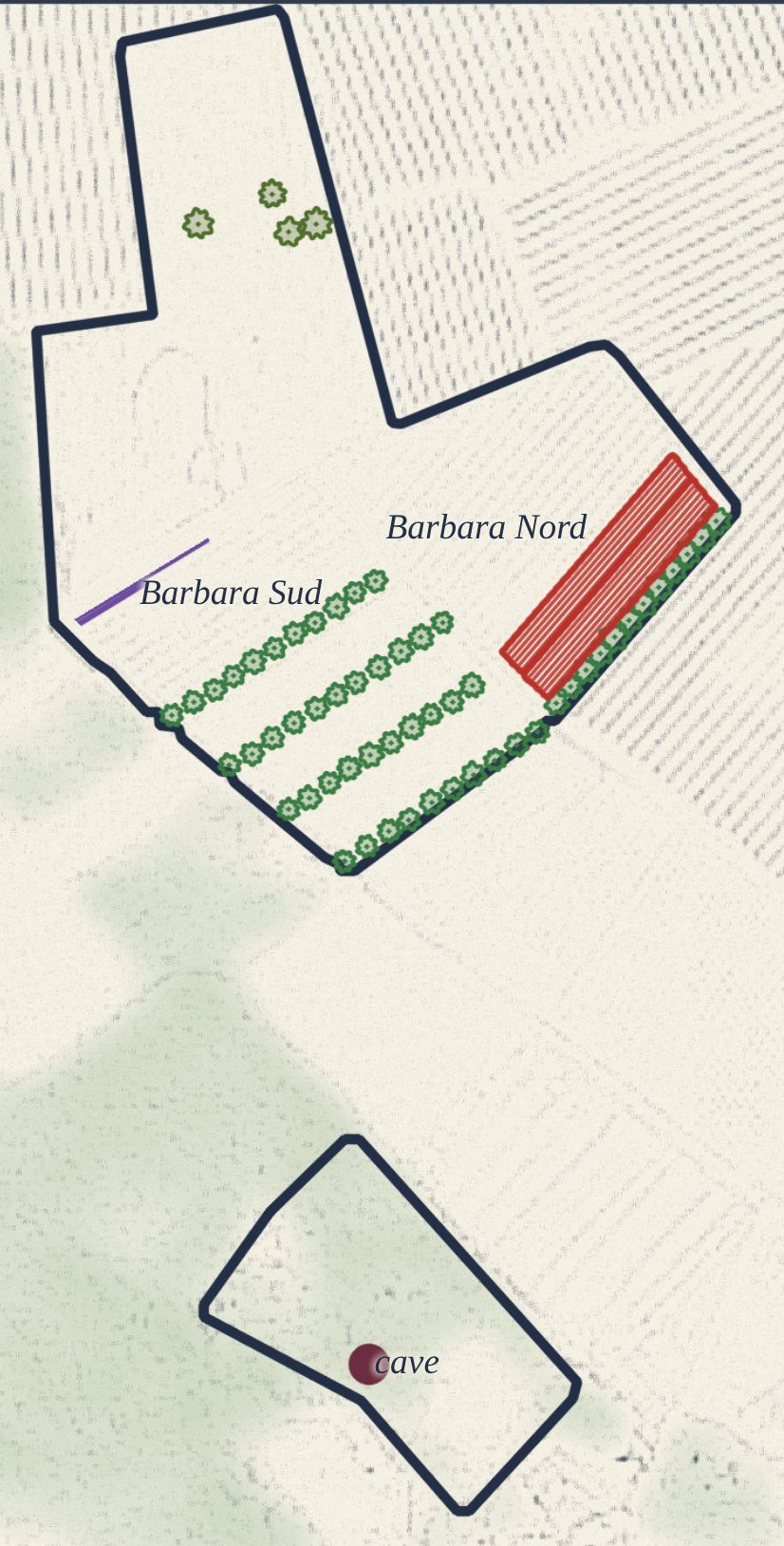
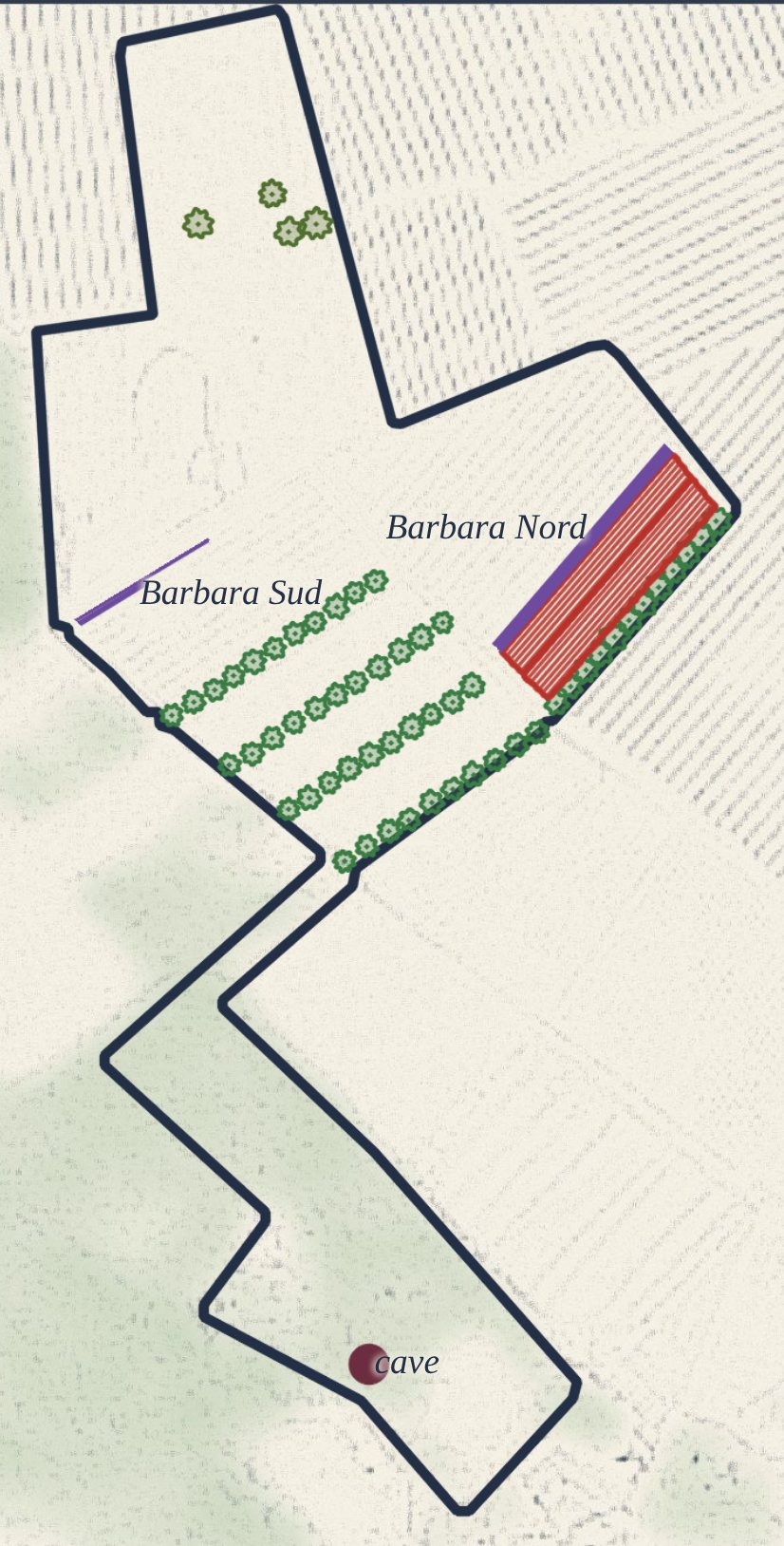
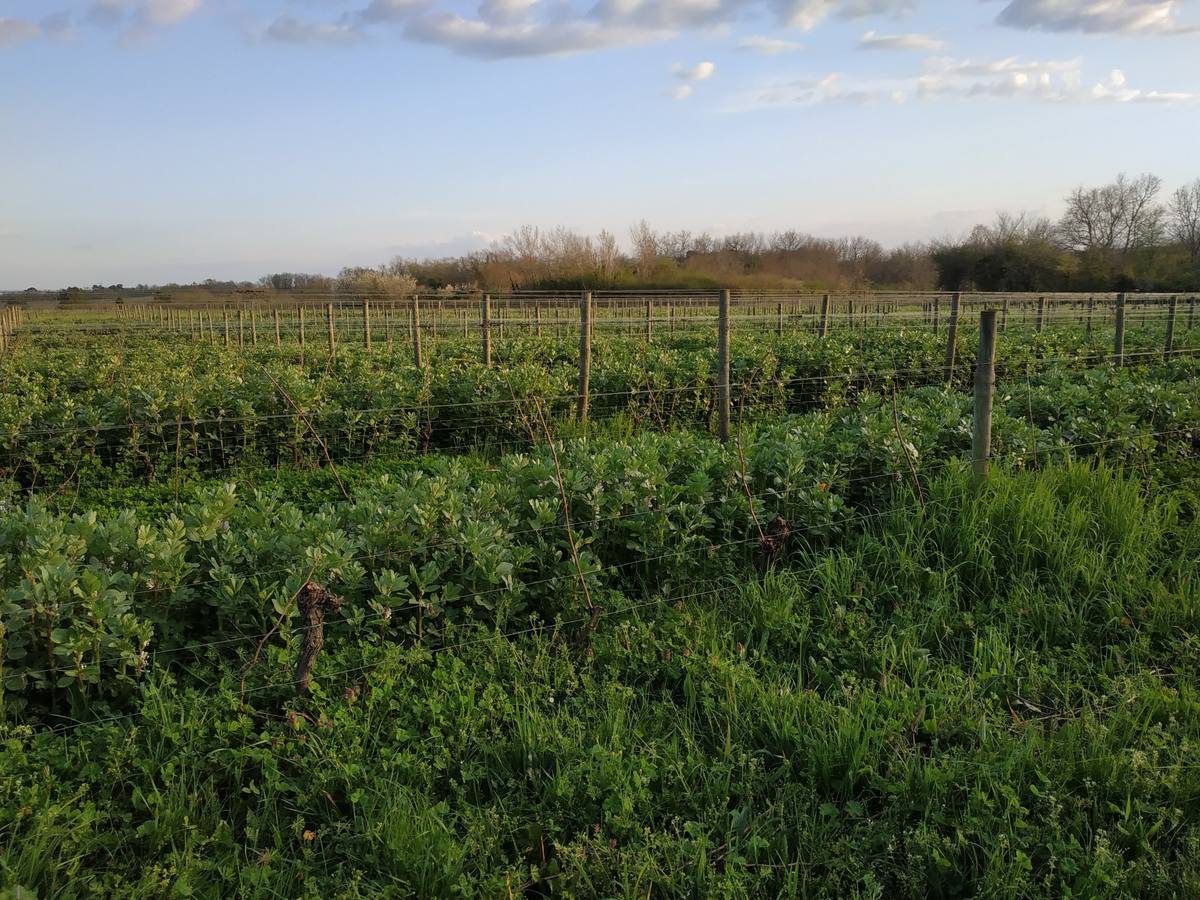
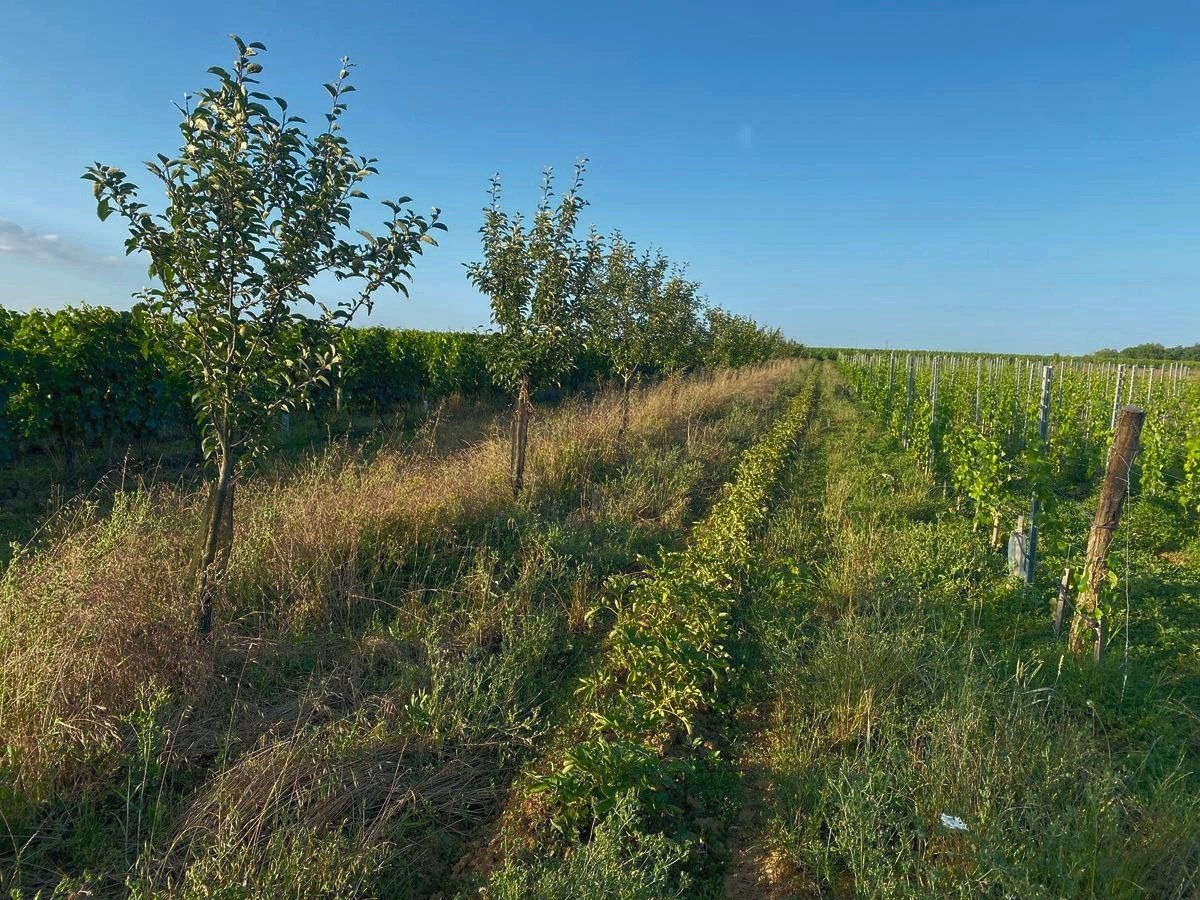
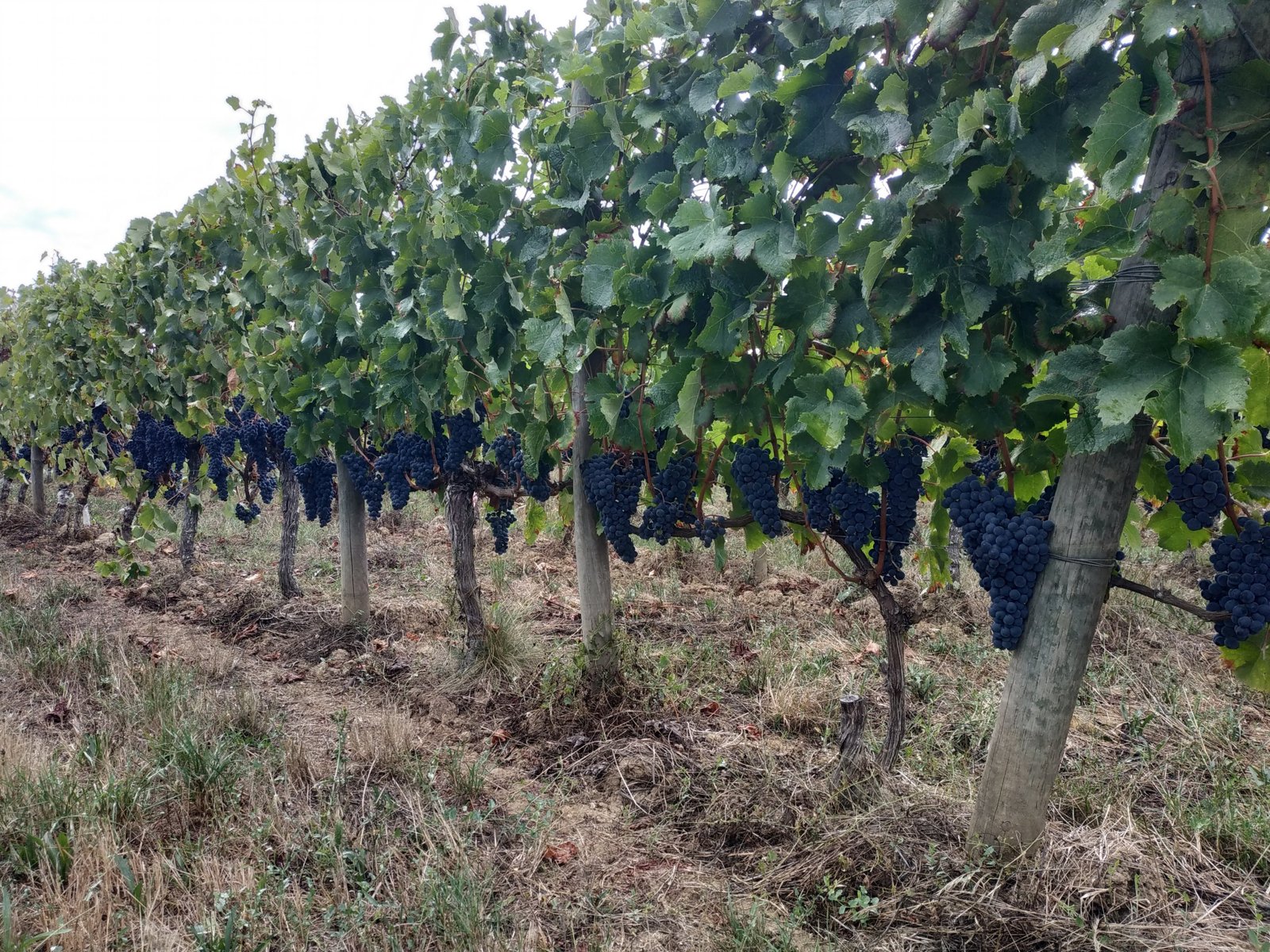
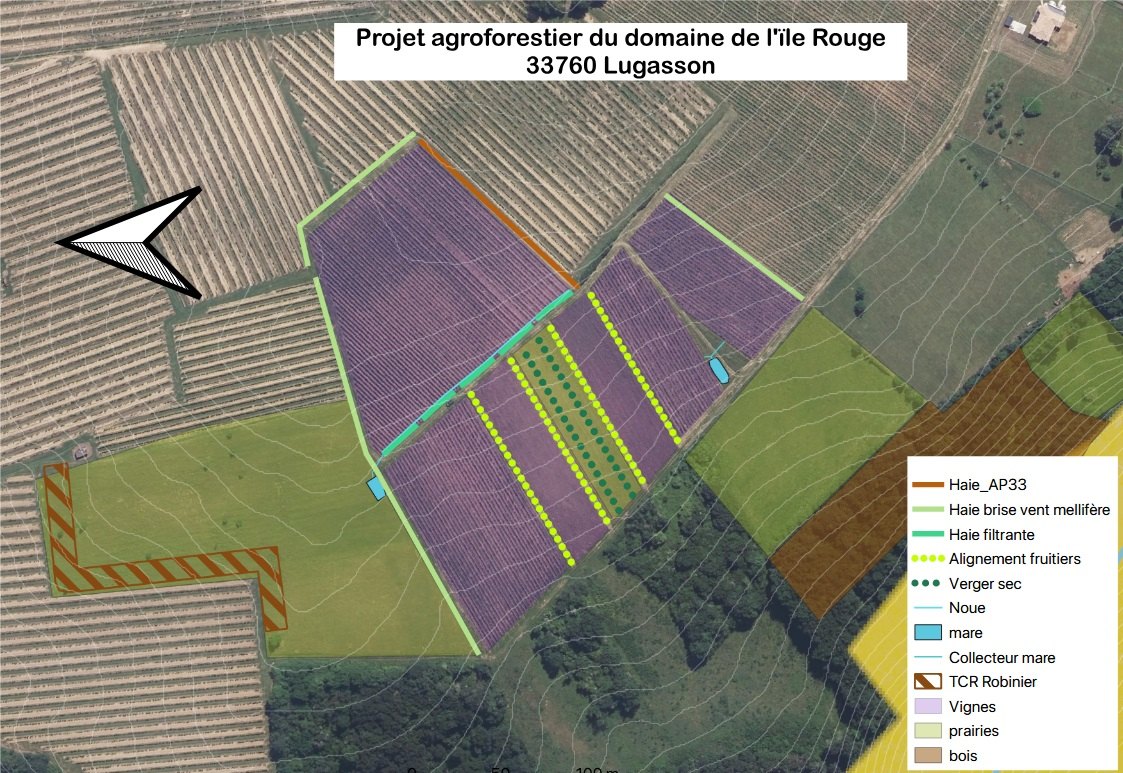
So I took 1 ha under fermage, then another at the end of 2015. These 15-year-old vines are the most isolated, surrounded by woods to the south and by wasteland to the east and west. To the north, behind the hilltop, there is a neighbour: I will plant a hedge to shield myself from him.
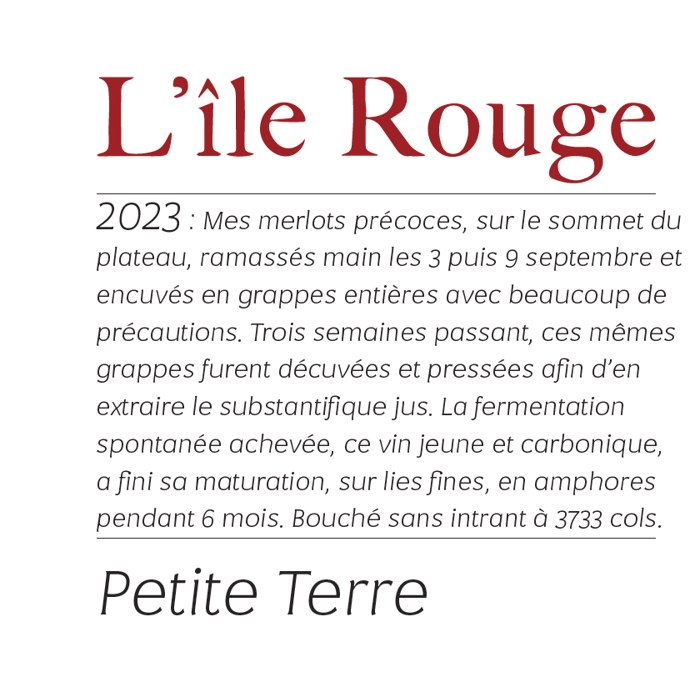
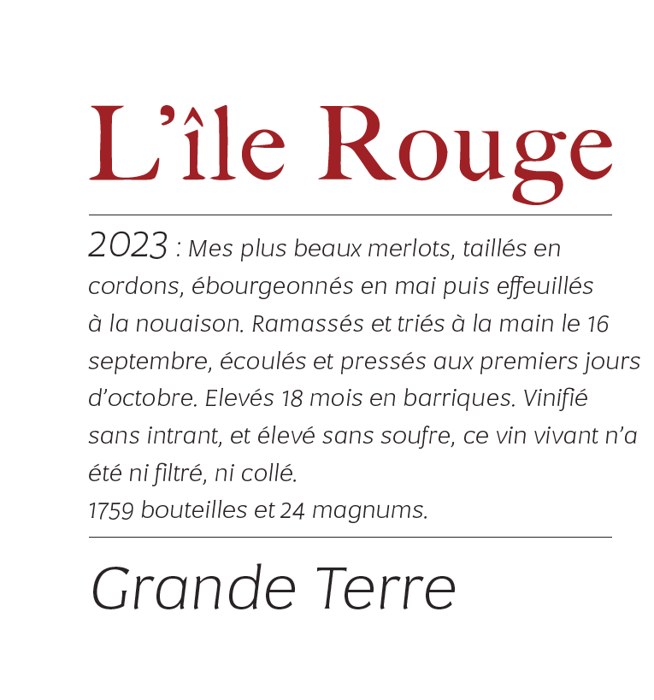
L’île Rouge was born.
I used that year to read up and meet winegrowers. I was lucky enough to meet renowned Bordeaux figures, great specialists of merlot: Jean-Claude Berrouet, winemaker at Petrus for 40 years and a champion of great finesse in extraction, but also the Mitjaville family, who vinify in the opposite way yet still produce extremely generous wines. I learned pruning with Rémi at Troplong Mondot. I spent hours talking, never satisfied, with Philippe Courrian, a former Bordeaux man exiled in the Corbières and a genuine winegrower (which is rather rare in Bordeaux).
These Bordeaux encounters taught me a lot about making red wines, but it is the “natural” approach of winegrowers like Michel Favard and my friend Renaud Guettier that speaks to me most: a global approach, from the soil to the glass, a vinification that respects the raw material, with no technological crutch. It is what guided me then and still guides me after all these years, even though I was far from imagining all the questions that would come my way…